
Bioactive Setup Guides
We provide professional exotic pet boarding services designed specifically for small mammals, reptiles, birds, and unique companion animals. With secure housing, expert care, and customized routines, your exotic pets stay safe, comfortable, and stress-free.
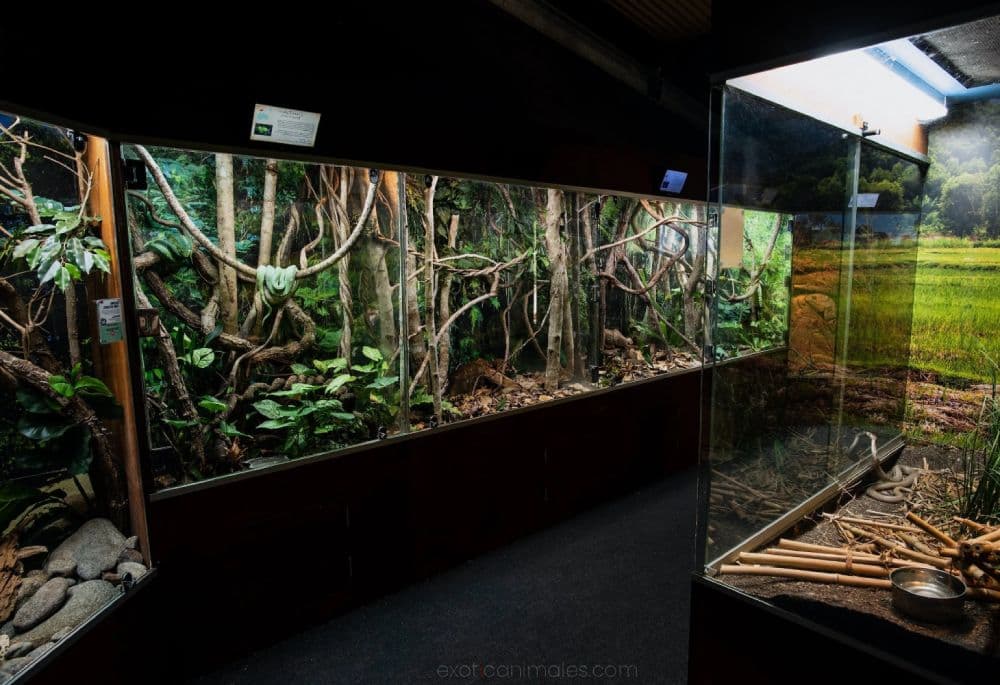
How to Setup Bioactive Enclosures for Exotic Pets
Bioactive vivarium, terrarium or paludarium habitats aren't just aesthetically stunning — they provide significant biological benefits to your animals. By introducing "The Clean Up Crew" (Isopods and Springtails), live plants, and specialized substrate layers, you recreate the nitrogen cycle in your home. Our guides cover everything from drainage layers to plant selection for every climate.
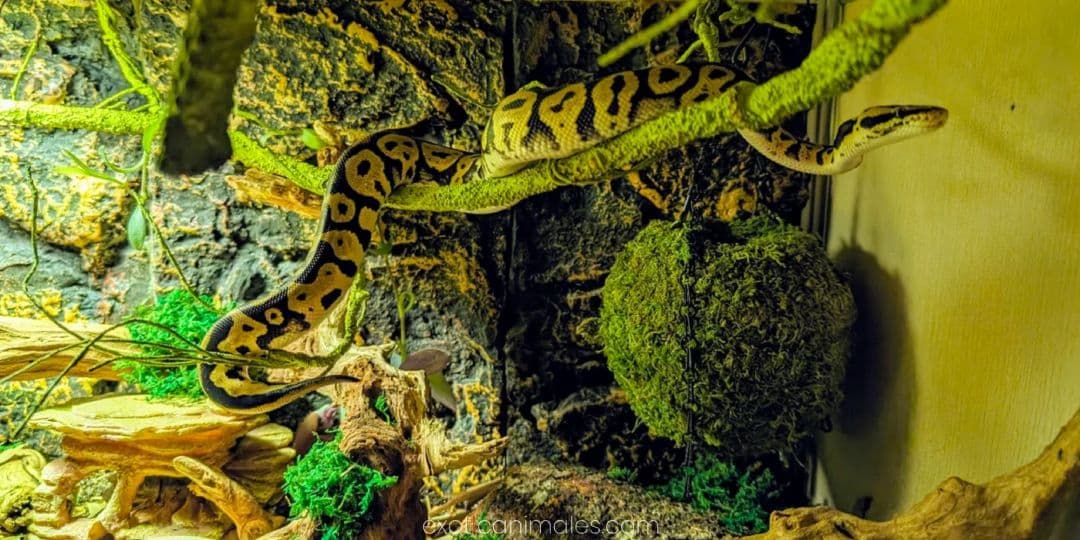
The Ultimate Ball Python Bioactive Manual
A deep-dive into creating a heavy-duty, self-sustaining tropical ecosystem for the world's most popular pet python.
Read Full Guide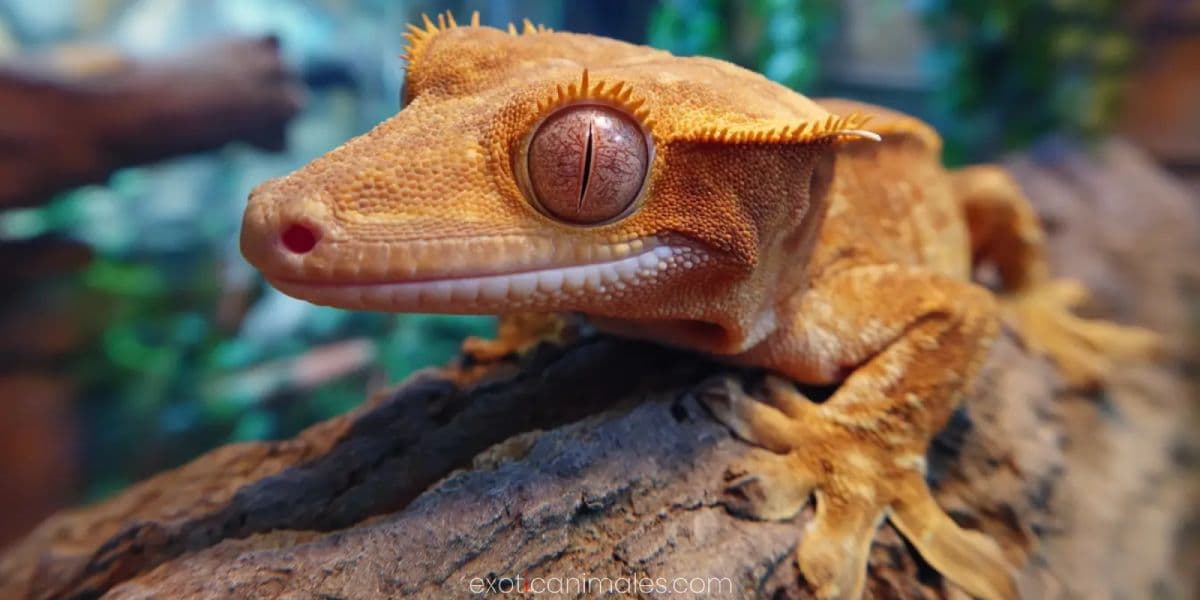
Crested Gecko Arboreal Environments
Master the art of vertical drainage, epiphytic hydration, and forest-canopy biodiversity for New Caledonian Geckos.
Read Full Guide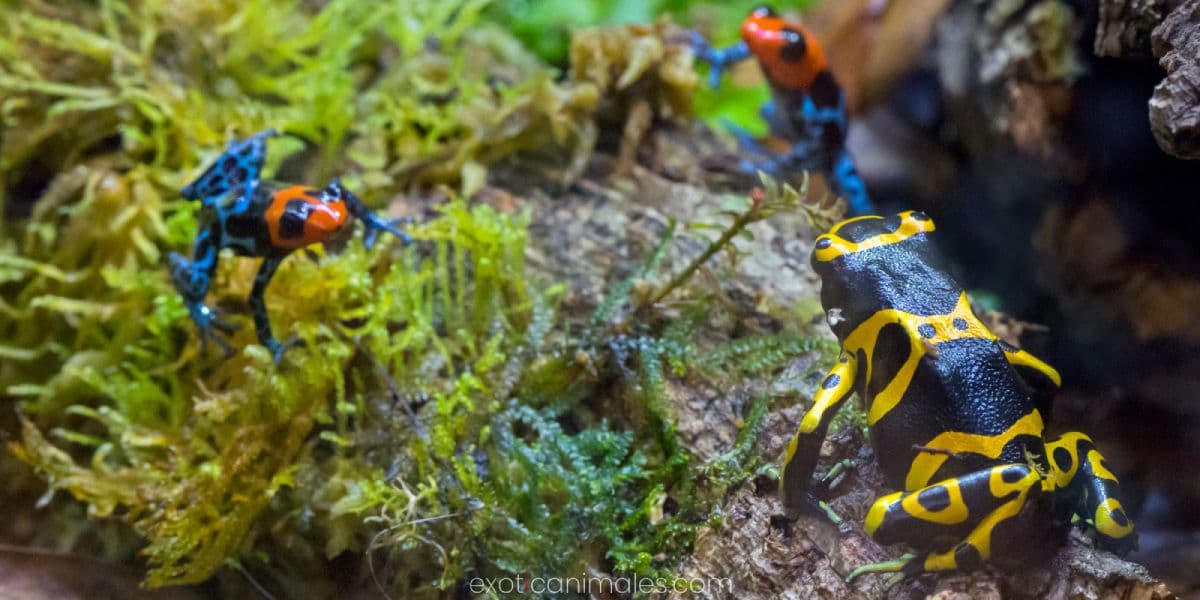
Dart Frog Jungle Floor Ecosystems
The gold standard of vivarium design: creating high-precision, high-humidity miniature rainforests.
Read Full Guide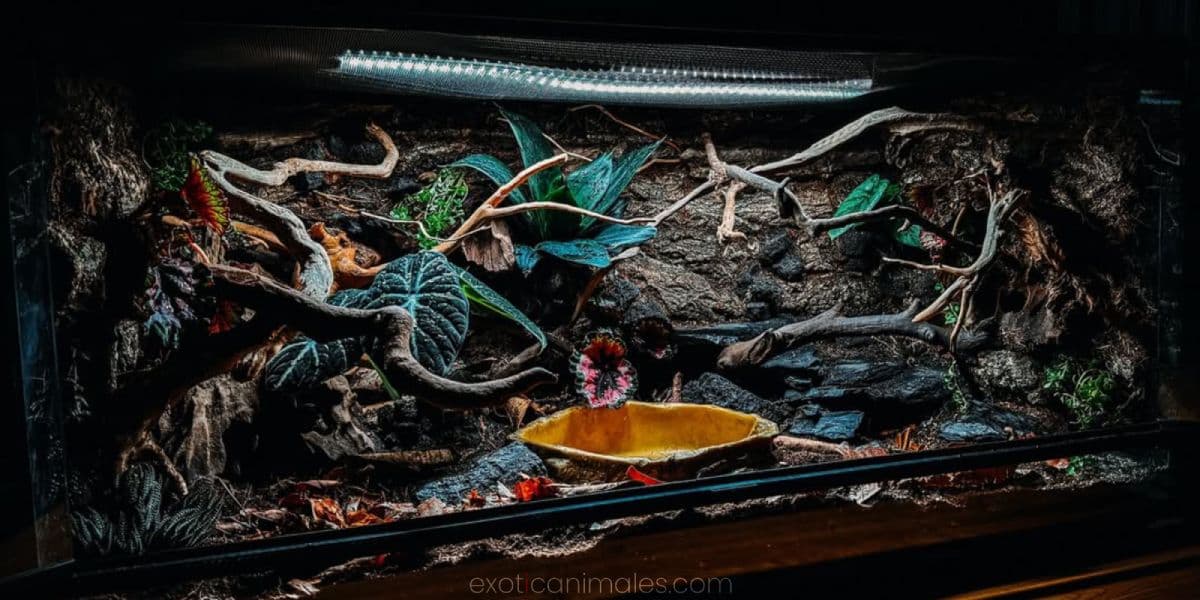
Core Elements of a Bioactive Enclosure
A complete foundational guide to designing a thriving, self-sustaining bioactive enclosure — from layered substrate systems to clean-up crews and plant ecosystems.
Read Full Guide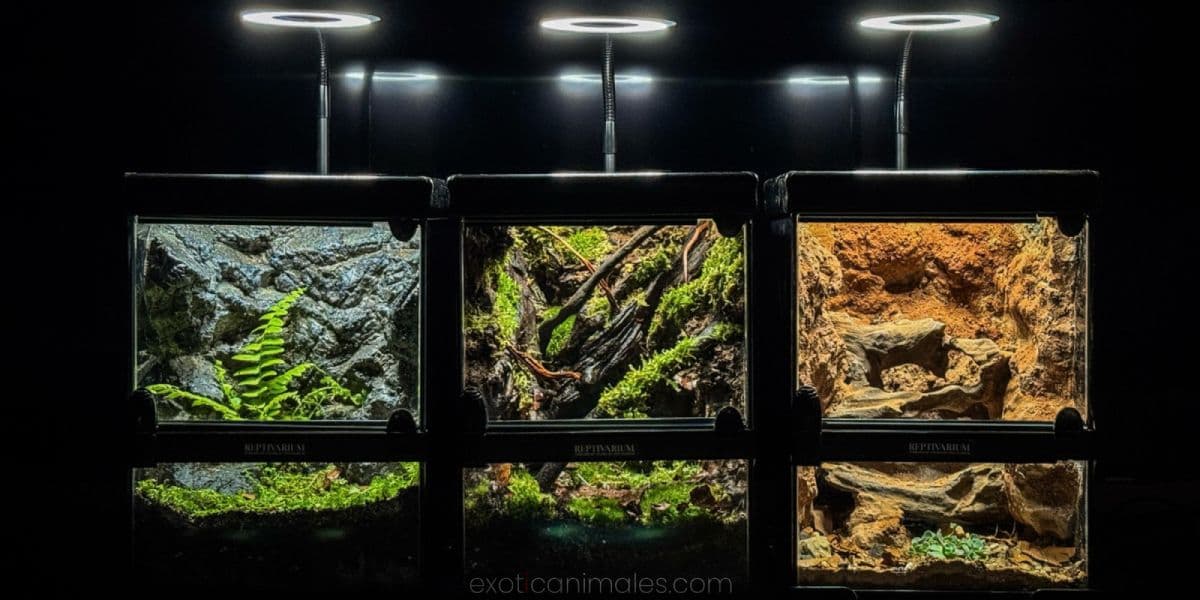
Arid vs. Tropical Bioactive Enclosures
A detailed comparison of arid and tropical bioactive systems, covering humidity strategy, substrate formulation, drainage decisions, and environmental balance.
Read Full Guide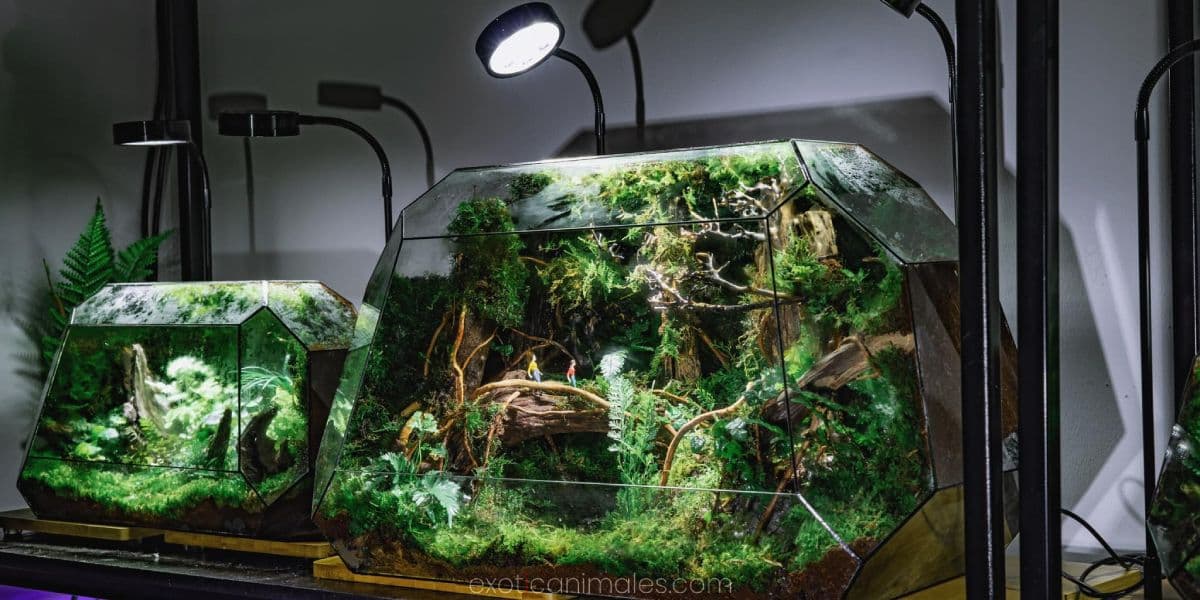
Bioactive Terrarium Plants and Lighting
A complete guide to choosing safe, species-appropriate terrarium plants and designing a lighting system that supports both reptiles and plant growth in a bioactive enclosure.
Read Full Guide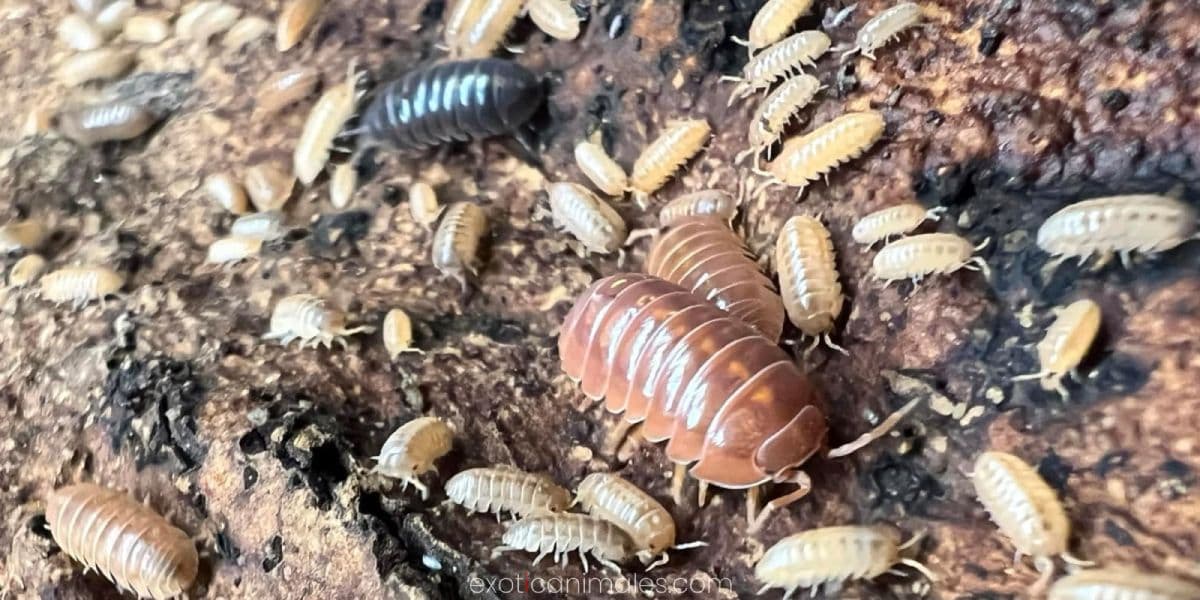
Bioactive Terrarium Clean-Up Crew Insects
An in-depth guide to springtails and isopods — the essential microfauna that power bioactive enclosures through waste breakdown, mold control, and nutrient cycling.
Read Full Guide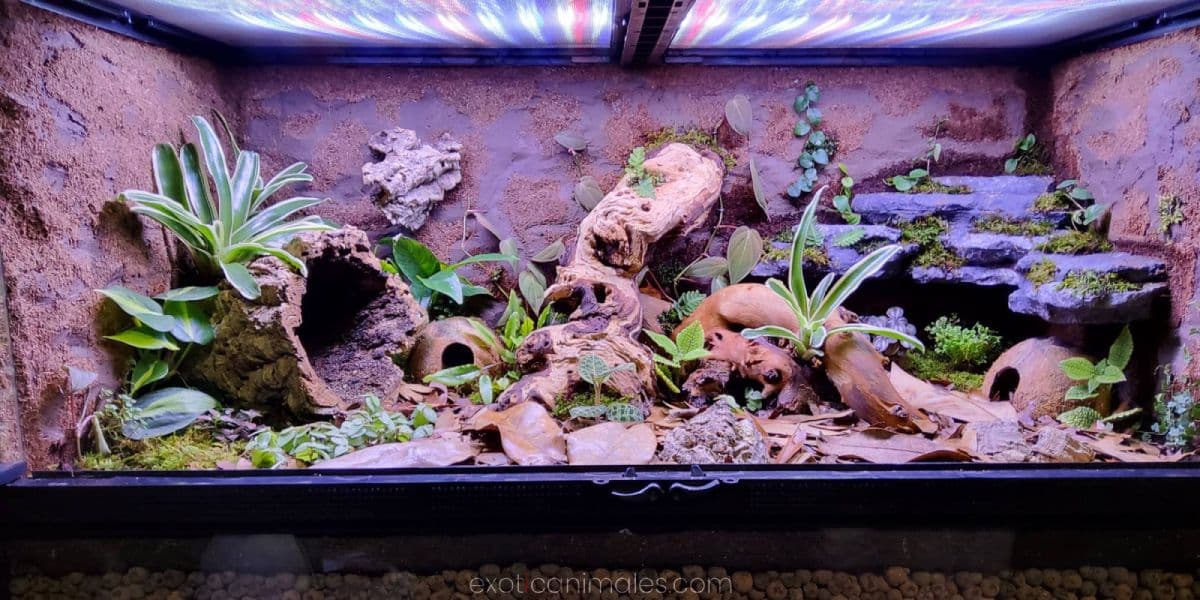
Basic Bioactive Enclosure Setup Overview
A step-by-step timeline guide to building a successful bioactive enclosure, from substrate layering and planting to introducing springtails, isopods, and finally your reptile.
Read Full Guide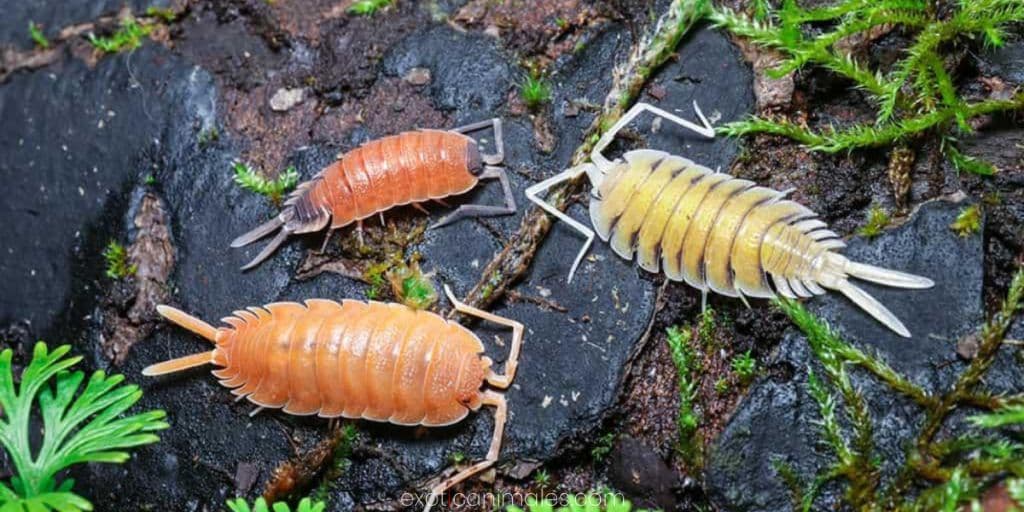
Which Isopods Are Best For Bioactive Enclosures
A complete professional guide to choosing the best isopods for your bioactive enclosure. Learn how environment type, reproduction speed, waste production, and reptile compatibility determine which species will thrive in your vivarium.
Read Full GuideWhat Is a Bioactive Enclosure?
A bioactive enclosure is a carefully designed habitat that replicates a miniature ecosystem inside your terrarium, vivarium, or paludarium. Instead of functioning as a sterile box that requires complete substrate changes, a bioactive system mimics natural biological processes — allowing waste to break down naturally through beneficial organisms, plants, and microorganisms.
These environments are particularly ideal for small to medium-sized reptiles and amphibians that thrive in stable humidity and temperature conditions. Species housed in enclosures ranging from approximately 20” x 10” x 12” up to 4’ x 2’ x 1’ often benefit significantly from this ecosystem approach. Because reptiles and amphibians have slower metabolisms compared to similarly sized mammals, their waste output is manageable for a properly established clean-up crew.
Why Choose a Bioactive Setup?
At first glance, creating a bioactive enclosure may seem complex and expensive. It requires planning, research, and an upfront investment in materials. However, the long-term benefits far outweigh the initial effort.
One of the most appealing advantages is reduced day-to-day maintenance. Rather than performing full substrate replacements and deep disinfecting sessions, most bioactive enclosures require only regular misting, spot cleaning of uneaten food, and monitoring of humidity levels. The ecosystem itself handles the breakdown of organic waste.
Additionally, bioactive habitats provide:
- Natural waste recycling through microfauna and beneficial bacteria
- More stable humidity and temperature gradients
- Environmental enrichment that promotes natural behaviors
- Reduced stress through complex hiding and climbing opportunities
In the wild, no one replaces substrate. Nature recycles everything — and a bioactive enclosure brings that ecological balance into your home.
The Four Core Components of a Bioactive System
Every successful bioactive setup contains four primary elements:
- Clean-Up Crew: Isopods and springtails that consume waste, mold, and decaying organic matter.
- Substrate Layers: A structured soil system that supports plant growth, drainage, and microbial activity.
- Live Vegetation: Plants that stabilize humidity, provide oxygen exchange, and enrich the environment.
- Proper Lighting: Essential for plant photosynthesis and species-specific UVB requirements.
These components will vary depending on your animal’s natural habitat — tropical rainforest species require vastly different conditions than desert dwellers. Customization is essential.
What Animals Are Suitable for Bioactive Enclosures?
Bioactive habitats are ideal for many small to medium reptiles and amphibians. Geckos, frogs, toads, newts, small lizards, and many snake species can thrive in properly designed ecosystems.
Animals with slower metabolisms are generally better suited because their waste production does not overwhelm the biological filtration system. Small mammals and birds, on the other hand, often produce waste at a rate too high for standard enclosure sizes to support efficiently.
As always, detailed research into your species’ natural biome is critical before committing to a design.
What Does a Bioactive Setup Cost?
Costs vary depending on quality, plant selection, and scale. On the lower end, a functional bioactive setup (excluding the enclosure itself) may cost approximately $215. On the higher end, if premium plants, lighting, and specialty materials are used, costs can reach $875 or more.
Typical expense ranges include:
- Isopods: $15 – $150 depending on species
- Springtails: $8 – $14 per culture
- Substrate materials: $50 – $100+ combined
- Plants: $30 – $300 depending on density and rarity
- Lighting systems: $50+
For keepers on tighter budgets, upgrading gradually over time is entirely acceptable. Bioactive systems can evolve just as ecosystems do in nature.
How Do You Start?
The answer is simple: Research. Research. Research.
Before building any bioactive enclosure, you must understand your animal’s heat requirements, humidity parameters, dietary needs, temperament, and natural habitat. You must also determine:
- Whether the species may prey on the clean-up crew
- Which plants are non-toxic and biome-appropriate
- What substrate mixture best mimics natural soil conditions
- How to maintain long-term ecosystem balance
This page serves as a foundational overview, but every enclosure must be customized to the specific biological and environmental needs of the species you are keeping.